Polystyrene is a synthetic aromatic polymer produced from monomer styrene which is a petrochemical. Polystyrene is a hard, stiff and brilliantly transparent in its nature. It is widely used in the food service industry as a solid trays and containers, disposable eating utensils, and foamed cups, plates, and bowls. Polystyrene is added with other polymers, which lending hardness and rigidity to a number of important plastic and rubber products. The chemical formula for polystyrene is (C8H8)
n and its chemical structure is as follows:
 |
| Source: buzzle.com |
If we observe the bonds in chemical structure, we'll see that the carbon atoms are linked to one another by covalent bonds. Every alternate carbon atom on the polystyrene chain contains a phenyl group attached to it and it is a long chain of hydrocarbons.
The polymerization of styrene has been known since 1839, but by 1938 polystyrene was being produced commercially. And it quickly become one of the most important modern plastics, owing to the low cost of producing large volumes of styrene monomer, the ease of shaping the melted polymer in injection molding operations, and the optical and physical properties of the material.
The polymerization of styrene has been known since 1839, but by 1938 polystyrene was being produced commercially. And it quickly become one of the most important modern plastics, owing to the low cost of producing large volumes of styrene monomer, the ease of shaping the melted polymer in injection molding operations, and the optical and physical properties of the material.
Polystyrene is a clear, colorless polymer used extensively for low -cost applications its available commercially in both form i.e. sheet as well as pallet. As some of the deficiencies which are serious such as strength, poor wheatherability and poor chemical resistance are seen in these materials.
Applications of Polystyrene
Polystyrene is a lightweight material obtained from foam plastics. It is commonly referred to on the market as Styrofoam and is used in variety of ways. As Polystyrene does not biodegrade, it can recycle successfully for re-use. Following are the applications of polystyrene with different industries:
 |
| Source:plasticseurope.org |
Packaging
Food materials like Egg and Dairy Products, fish, meat and poultry, cold drinks and carry out meals all these products are safely packed with polystyrene packaging materials; by this spoilage of foods is prevented. In the western world a combination of good packing, refrigeration, and transportation ensures that only 2% of food is lost through spoilage, with compare to other developing countries. No at issue what products you package, polystyrene has long been recognized as a versatile and cost effective solution for rigid packing and food services disposables.
Appliances
Various appliances like from air conditioner and refrigerators, to ovens and microwaves, from hand held vacuum cleaners to blenders, polystyrene resins fulfill almost all end-product requirements. Polystyrene resins are safe and cost effective, with excellent appearance and functionality mainly due to easy-processing. Due to this almost 26% of polystyrene demand is used in injection molding, extrusion and thermoforming applications.
Consumer Electronics
Polystyrene is used for housing for TV's and all kind of emerging trends in IT equipment where the criteria for use are combinations of functions, forms and aesthetic and a high performance or cost ratio. Polystyrene is the leading choice for media enclosures, cassette tape housing and clear jewel boxes to protect CD's and DVD's.
Construction
Polystyrene resins are among the most popular materials for buildings and constructions applications, like insulation foam, roofing, siding, panels, bath and shower units, lightning and plumbing fixtures. With their excellent pricing and good process-ability and other performance properties, polystyrene resins find use in these building products.
Medical
Bringing new and improved medical technologies to patients and physicians is a complex regulated process. With excellent clarity and process-ability and outstanding post sterilization aesthetics, polystyrene resins are used for a wide range of disposable medical applications, including tissue culture trays, test tubes, diagnostic components and housing for test kits.
Other
As per the traditional uses for polystyrene, a variety of consumer goods applications, including toys, electric lawn and garden equipment, kitchen and bath accessories and other durable goods are made from polystyrene. Polystyrene resins have an excellent cost or performance ratio, and in many cases, can be can be substituted for more costly polymers.
About Polystyrene Market
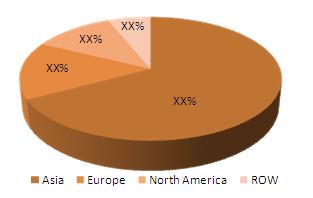
If we take an overview on Polystyrene Market, Asia Pacific is the larger market for this material. And China was leading the demand for these materials in Asia Pacific region. Due to increasing demand of polystyrene as is mostly used in various industries for distinct application the market for Polystyrene is expected a huge growth around $131.1 billion by 2018. In various parts of the world this market is growing with a fastest rate due to new innovations and technologies that emerges in it. The Key Market players concentrating on applications of new strategies and launching new products to expand their market value.
To know more about Polystyrene Market follow the below link: